Your Complete Guide to Canvas Printing: Expert Tips for Amazing Results
Images can be transformed into stunning wall art through canvas printing, but achieving the best results requires careful consideration. The right images and materials must be chosen carefully, as is developing proficiency in the printing process. Quality can be compromised by common pitfalls, yet with the right techniques, one can enhance their prints considerably. Grasping these subtleties can enhance any artwork. What particular techniques can make a notable difference in the end result?
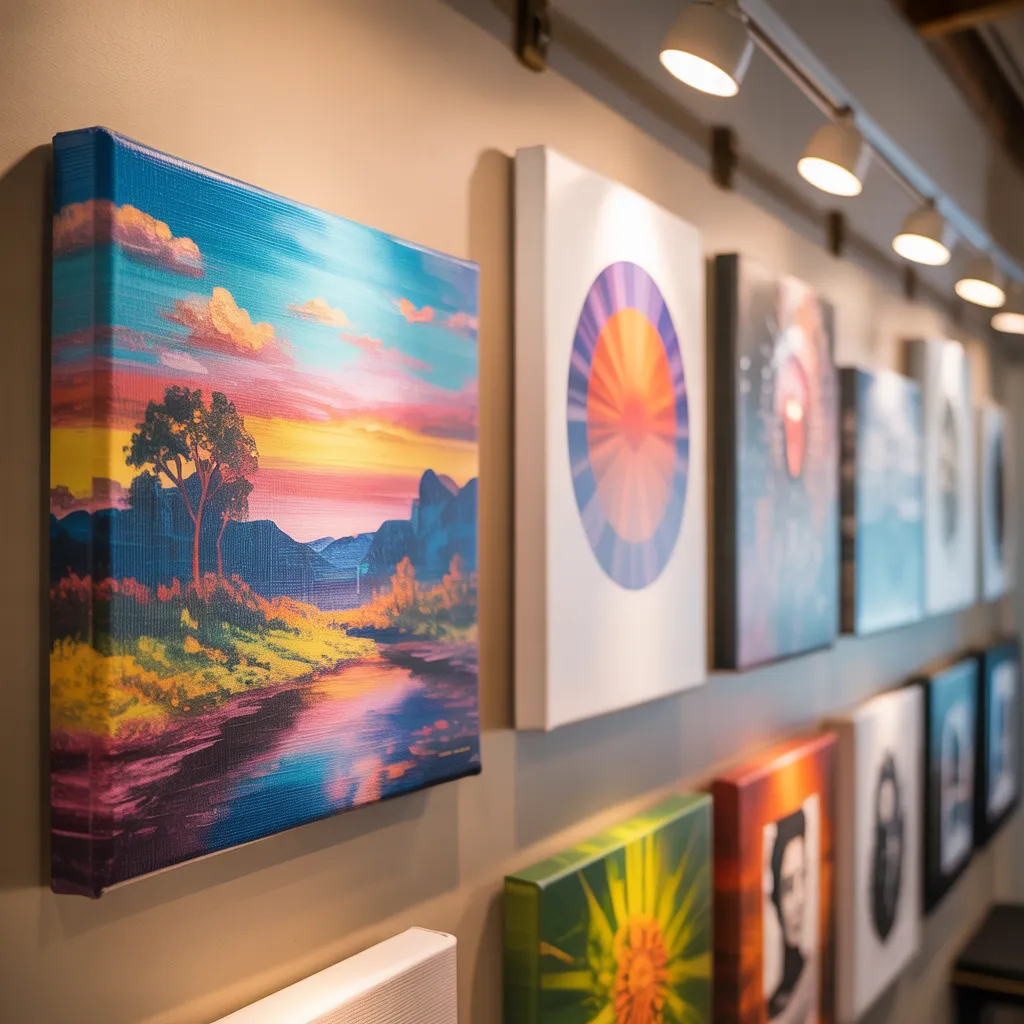
Which Images Are Best for Canvas Printing?
When selecting images for canvas printing, high-resolution photographs generally yield the best results. These photos ensure sharp details and vibrant colors, critical for creating visually appealing art pieces. Photographs taken using professional cameras or quality mobile devices often meet the necessary resolution standards. Portraits, landscapes, and abstract designs are popular choices, as they transfer effectively to canvas.
Along with resolution, composition serves a vital function. Images with strong focal points or compelling textures can improve the overall impact of the print. Color contrast is another important factor; bold colors can make a canvas print stand out, while softer tones may create a more subtle effect.
Ultimately, selecting images that resonate emotionally or tell a story can substantially elevate the canvas printing experience, transforming a basic photograph into a striking work of art. Thoughtful consideration of these elements produces stunning results that capture the viewer's attention.
The Effect of Canvas Materials on Print Quality
The canvas material significantly impacts the overall quality of printed images. The choice between cotton and polyester canvas can significantly impact texture, durability, and color reproduction. Cotton canvas is often favored for its natural feel and superior color absorption, which can result in richer, more vibrant prints. On the other hand, polyester canvas delivers a smooth finish and enhanced resistance to fading, making it perfect for prints exposed to light.
Canvas weight and weave are equally important factors. Heavier canvases provide better support and longevity, while tighter weaves improve detail clarity and precision. Furthermore, canvases with primer treatment for improved ink reception, provide more vibrant color reproduction and sustained detail sharpness.
Ultimately, picking the correct canvas material is essential for achieving stunning results in canvas printing, as it directly influences the final appearance and longevity of the artwork.
Advice for Becoming Proficient in the Canvas Printing Procedure
Comprehending canvas materials establishes the foundation for excelling at the canvas printing process. Selecting the right canvas type, whether it's poly-cotton blend or 100% cotton, significantly influences the final outcome. Proper color calibration is crucial; ensuring that the monitor and printer settings align can avoid discrepancies. Additionally, utilizing high-resolution images is vital; images should be at least 150 DPI for best sharpness and clarity.
Before printing, conducting a test print can help identify any issues with color or detail. This approach permits corrections without jeopardizing the finished work. In addition, verifying that the printer's ink is compatible with canvas is vital, as some inks may bleed or fade over time.
In conclusion, after the printing process is finished, providing appropriate drying time ahead of handling will aid in maintaining the integrity of the artwork. These recommendations together lead to a rewarding canvas printing process, delivering stunning results that showcase the original artwork exceptionally.
Elevating Your Canvas Prints With Professional Framing and Display
Elevating canvas prints through careful framing and display can elevate their visual impact and incorporate them seamlessly into any space. Selecting the right frame is crucial; it should complement the artwork without overpowering it. Clean, modern frames often work well for contemporary pieces, while ornate frames can elevate traditional artworks.
Consider the arrangement and spacing when displaying canvas prints. Multiple pieces grouped together create a dynamic focal point, while a single statement piece draws attention in a minimalist setting. Another factor is height; hang artworks at eye level for optimal viewing.
Lighting is equally important; natural lighting or carefully positioned spotlights can highlight summary the colors and textural elements. Lastly, consider the complementary décor—coordinating or opposing elements can blend the canvas print with the overall ambiance of the room, forming a cohesive space that presents the artwork optimally.
Which Canvas Printing Mistakes Should You Steer Clear Of?
Picking the right framing and display methods can significantly elevate canvas prints, but issues in the printing process can result in unsatisfactory results. One common issue is using poor-quality images, which can lead to pixelation when enlarged. Furthermore, ignoring color calibration can cause prints to appear faded or inaccurate.
Another mistake is overlooking the significance of correct canvas selection; choosing the wrong material can impact both durability and texture. Additionally, neglecting to consider stretching and mounting can result in distortion or sagging over time.
Poor handling throughout the printing process, such as enabling moisture exposure, can also compromise the quality of the final product. Additionally, not permitting adequate drying time can cause smudged prints. By avoiding these pitfalls, individuals can guarantee their canvas prints achieve the exceptional results they desire.
Popular Questions
How Long Can Canvas Prints Be Expected to Last?
Canvas art prints typically last between 50-100 years when given proper care. Variables such as light exposure, humidity, and the quality of materials used can considerably influence their longevity and overall appearance over time.
Is Canvas Printing Possible with a Home Printer?
Home printers can indeed print on canvas, assuming they are compatible with such materials. Specially designed canvas sheets for inkjet printers are readily available, permitting users to make personalized art or photographs in their own homes.
Which Types of Inks Are Most Suitable for Canvas Printing?
Pigment-based inks work best for canvas printing, as they offer outstanding color fastness and longevity. Dye-based inks, despite their vibrancy, tend to fade more quickly. Choosing high-quality inks delivers lasting, stunning results on canvas.
Is It Feasible to Repair a Damaged Canvas Print?
A damaged canvas print can be repaired. Restoration methods consist of re-stretching, patching tears, and applying protective coatings. Professional repair services can additionally boost longevity and aesthetics, ensuring the artwork maintains its visual integrity over time.
What's the Proper Method for Cleaning My Canvas Prints?
To clean canvas prints, gently dust with a soft, dry cloth or use a slightly damp cloth for stains. Steer clear of strong chemicals and excess moisture to protect the print's quality and color intensity.